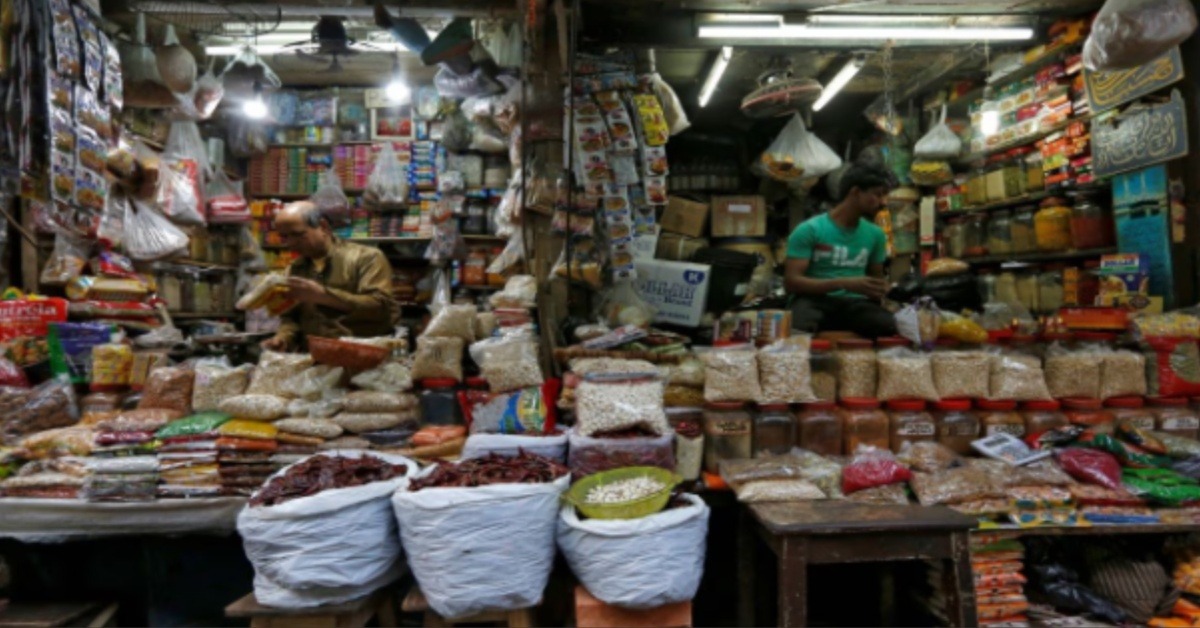
The average pace of increase in prices of about 600 goods further slowed down to 4.1% in December, providing more room to reduce policy rate this month without risking fiscal and external sector stability.
This decline aligns with government expectations and reflects slower price increases for energy and food. Average inflation for the first six months of the fiscal year (July-December) stood at 7.2%, significantly lower than the government’s annual target of 12%.
Core inflation, which excludes energy and food prices, also fell to 8.1% in cities and 10.7% in rural areas. Urban inflation slowed to 4.4%, while rural inflation dropped to 3.6%, driven by reduced food inflation.
Non-perishable food prices fell by 1.4%, with wheat and flour prices decreasing by 34% due to the withdrawal of agricultural support prices. In contrast, prices of perishable food items rose by 11%, led by increases in onions, vegetables, and fruits.
The State Bank of Pakistan, which has already cut the policy rate from 22% to 13%, is expected to meet later this month to decide on further adjustments. With average core inflation remaining almost 4% below the policy rate, the central bank has room for further rate cuts to support economic growth.
Pakistan’s economy grew by just 0.92% in the first quarter of the fiscal year, hindered by high production costs and inconsistent policies. Businesses continue to seek lower energy costs and policy stability to expand operations.
The government faces additional challenges with nominal GDP growth at 8%, lower than the Federal Board of Revenue’s 16% target, leading to a revenue shortfall of Rs386 billion. Slowing inflation and sluggish industrial activity have impacted tax collections and economic performance.

![Honda CD 70 Latest Price in Pakistan [January 2024 Update]](https://sstoday.com.pk/wp-content/uploads/2024/01/Honda-70-Price-120x86.webp)
![Honda 125 2024 Latest Price in Pakistan [January 2024 Update]](https://sstoday.com.pk/wp-content/uploads/2024/01/Honda-125-120x86.webp)